
The Ultimate Guide to Understanding Rats and Their Habits (Brown Rats)
Rats often get a bad reputation, but understanding their behavior and habits can help us manage their presence more effectively. Brown rats, also known as Norway rats, are among the most common rodents worldwide. They adapt well to urban and rural environments, making them a frequent subject of interest for homeowners, pest control professionals, and wildlife enthusiasts alike. This guide covers everything you need to know about brown rats, from their physical characteristics to their habits and how to coexist or control them safely.
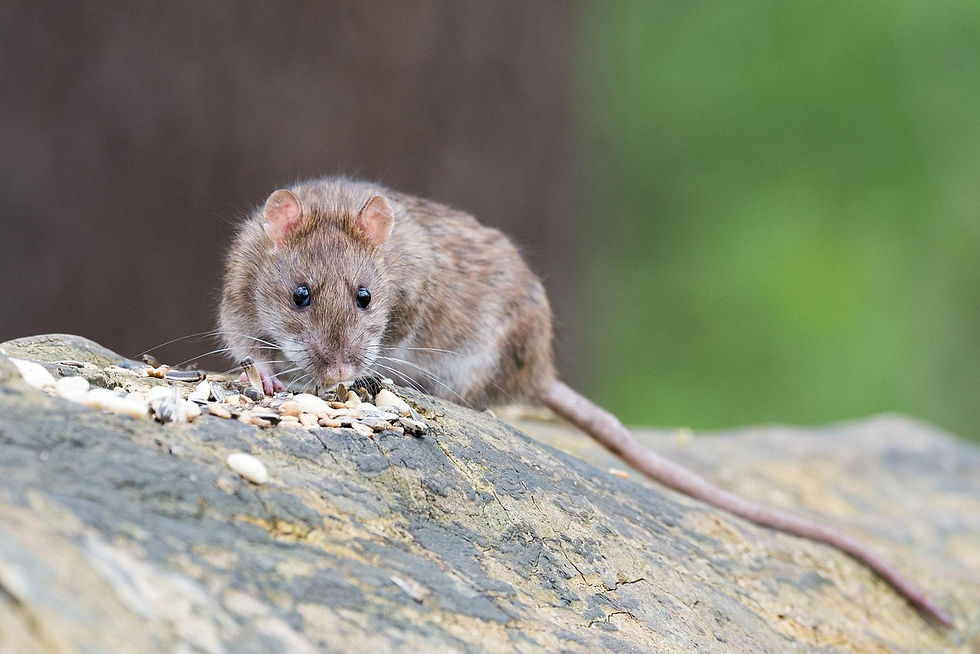
Physical Characteristics of Brown Rats
Brown rats are medium-sized rodents with sturdy bodies and coarse fur that ranges from brown to gray. They typically measure between 16 to 24 centimeters in body length, with tails slightly shorter than their bodies. Their ears are small and rounded, and their eyes are black and beady, adapted for low-light environments.
Key features include:
Strong, sharp teeth that grow continuously, allowing them to gnaw through various materials.
Long, scaly tails that help with balance and thermoregulation.
Robust limbs with sharp claws for climbing and digging.
These physical traits make brown rats highly adaptable survivors in many environments.
Habitat and Distribution
Brown rats are found worldwide, especially in areas inhabited by humans. They prefer environments that provide easy access to food, water, and shelter. Common habitats include:
Sewers and underground tunnels
Garbage dumps and landfills
Agricultural fields and barns
Urban buildings and basements
They are excellent burrowers, often creating complex tunnel systems near food sources. In cities, they thrive in subway systems and abandoned buildings, while in rural areas, they frequent grain storage facilities and farms.
Behavior and Social Structure
Brown rats are nocturnal creatures, most active during the night when they forage for food. They are social animals, living in groups called colonies that can range from a few individuals to several dozen.
Some notable behaviors include:
Territoriality: Colonies defend their territory aggressively against outsiders.
Communication: Rats use high-pitched squeaks, body language, and scent markings to communicate.
Foraging: They are opportunistic feeders, eating almost anything available, including grains, fruits, small animals, and human waste.
Their social structure helps them survive harsh conditions by sharing resources and warning each other of danger.
Reproduction and Lifespan
Brown rats reproduce quickly, which contributes to their success as a species. A female can produce up to 12 litters per year, with each litter containing 6 to 12 pups. Gestation lasts about 21 to 23 days.
Important points about their reproduction:
Young rats mature rapidly, reaching reproductive age in about 5 weeks.
Colonies can grow exponentially if unchecked.
Lifespan in the wild is typically 1 to 2 years, but it can be longer in protected environments.
This rapid reproduction means that controlling rat populations requires consistent effort.
Diet and Feeding Habits
Brown rats are omnivores with a highly varied diet. They prefer grains, fruits, and vegetables but will eat meat, insects, and even garbage when necessary. Their ability to consume a wide range of foods helps them survive in diverse environments.
Feeding habits to note:
They tend to hoard food near their nests.
Rats can consume up to 10% of their body weight daily.
They prefer fresh food but will eat spoiled or decaying matter if needed.
Understanding their diet helps in designing effective bait and control strategies.
Health Risks and Impact on Humans
Brown rats can carry diseases that pose risks to humans and pets. They are known to transmit pathogens through bites, urine, feces, and contaminated food.
Common health concerns include:
Leptospirosis
Salmonellosis
Rat-bite fever
Hantavirus (less common in brown rats but possible)
Besides health risks, rats cause property damage by gnawing on electrical wires, insulation, and wooden structures. They can also contaminate food supplies, leading to economic losses.
Effective Control and Prevention Methods
Managing brown rat populations requires a combination of strategies:
Sanitation: Remove food sources by securing garbage and cleaning up spills.
Exclusion: Seal entry points in buildings, such as cracks and holes.
Trapping: Use snap traps or live traps placed along rat pathways.
Baiting: Apply rodenticides carefully, following safety guidelines.
Environmental management: Reduce clutter and remove debris where rats can hide.
Regular monitoring and maintenance are essential to prevent reinfestation.
Coexisting with Brown Rats
In some cases, complete eradication is not feasible or necessary. Learning to coexist involves minimizing contact and reducing attractants:
Store food in sealed containers.
Keep outdoor areas tidy and free of debris.
Use natural deterrents like peppermint oil or ultrasonic devices (though effectiveness varies).
Respecting wildlife while protecting health and property is a balanced approach.


Comments