
Permanent Solutions for Pest Control Using ERDM: Exclusion, Restriction, Destruction, and Monitoring
Pests can cause serious damage to homes, businesses, and health. Many people struggle with recurring infestations that seem impossible to fully eliminate. The key to truly solving pest problems lies in a comprehensive approach that targets every stage of the pest lifecycle and prevents their return. This is where the ERDM method comes in—an effective strategy built on four pillars: Exclusion, Restriction, Destruction, and Monitoring. This blog explains how ERDM works and why it offers permanent pest control solutions.
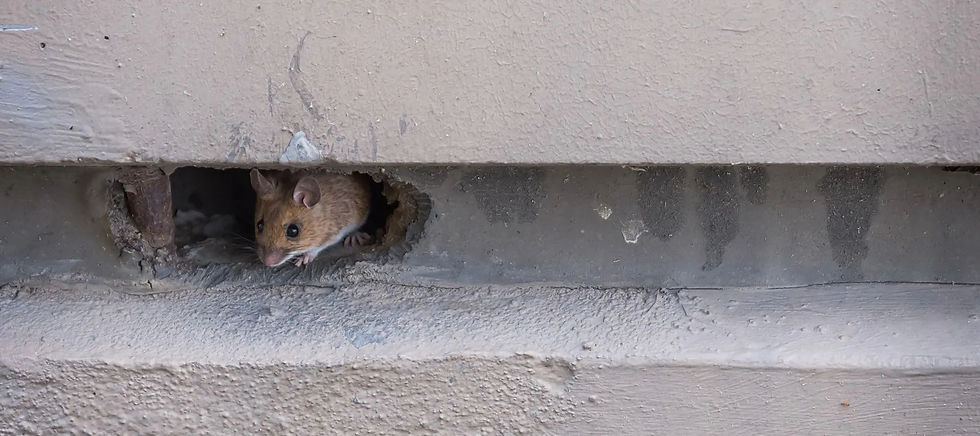
Exclusion: Blocking Pest Entry Points
The first step in permanent pest control is exclusion. This means physically blocking pests from entering your property. Common entry points include cracks in walls, gaps around doors and windows, vents, and utility openings. By sealing these areas, you remove easy access for pests such as rodents, ants, and cockroaches.
Practical exclusion methods include:
Installing door sweeps and weather stripping
Sealing cracks and holes with caulk or foam
Repairing damaged screens on windows and vents
Using metal mesh to cover larger openings
Exclusion is often overlooked but is critical because it stops pests before they become a problem inside. For example, sealing gaps around pipes in a kitchen can prevent cockroaches from entering food storage areas.
Restriction: Limiting Pest Resources
Once pests are kept out, the next step is restriction. This involves reducing the availability of food, water, and shelter that pests need to survive. Without these resources, pests cannot establish or maintain populations.
Key restriction practices include:
Properly storing food in sealed containers
Removing standing water and fixing leaks
Keeping garbage tightly covered and disposing of it regularly
Clearing clutter and debris that provide hiding places
For instance, restricting access to water sources can dramatically reduce mosquito breeding around a property. Similarly, keeping yards clean of leaf litter and wood piles limits rodent nesting sites.
Destruction: Eliminating Existing Pests
Even with exclusion and restriction in place, some pests may already be inside. The destruction phase targets these existing pests to remove them quickly and effectively. This can involve a combination of methods depending on the pest type and infestation level.
Common destruction techniques include:
Using baits and traps for rodents and insects
Applying targeted insecticides or natural treatments
Employing heat or cold treatments for bed bugs
Removing nests or colonies physically when safe
A good example is using bait stations for ants that attract and kill the entire colony rather than just the visible workers. This ensures a deeper level of control.
Monitoring: Keeping Pests Away Long-Term
The final pillar, monitoring, ensures that pest problems do not return. Regular inspections and tracking help detect early signs of pests before they become serious. Monitoring also verifies that exclusion, restriction, and destruction efforts remain effective.
Effective monitoring strategies include:
Setting up sticky traps or bait stations to check pest activity
Scheduling routine inspections by professionals
Keeping records of pest sightings and treatment results
Educating occupants on signs of pest presence
For example, a restaurant might monitor for cockroach activity daily to catch any new infestations early and respond quickly.
Why ERDM Works for Permanent Pest Control
The strength of ERDM lies in its comprehensive nature. Each step supports the others to create a pest-unfriendly environment that is hard to penetrate or survive in. Many pest control methods focus only on destruction, which can provide temporary relief but not a lasting fix. ERDM addresses the root causes and prevents reinfestation.
By combining physical barriers, resource management, targeted elimination, and ongoing vigilance, ERDM offers a sustainable solution. This approach reduces reliance on chemicals, lowers health risks, and saves money over time by avoiding repeated treatments.
Practical Example: ERDM in Action for a Home
Consider a homeowner dealing with recurring rodent problems. Applying ERDM might look like this:
Exclusion: Seal gaps around the foundation, vents, and doors with steel wool and caulk.
Restriction: Store pet food in metal containers, fix leaking pipes, and clear clutter from the basement.
Destruction: Set up snap traps and bait stations in rodent activity areas.
Monitoring: Check traps weekly, inspect for new entry points, and schedule quarterly professional inspections.
This coordinated effort stops new rodents from entering, removes those inside, and keeps the home pest-free long term.
Permanent pest control requires more than quick fixes. The ERDM method offers a clear, practical framework to solve pest problems for good. By focusing on exclusion, restriction, destruction, and monitoring, you create a strong defense that protects your property and health.


Comments